January 7, 2026
Understanding the importance of auto ceramic coatings and their impact on the longevity and appearance of vehicle paint involves appreciating both aesthetic and protective qualities. The automotive industry continually innovates, seeking ways to enhance the durability of vehicle exteriors, and ceramic coatings represent one of the more significant leaps forward in this regard. These coatings are celebrated not only for their protective features but also for enhancing the visual appeal of a vehicle. In a world where the car wash and auto detailing industry houses over 60,000 businesses in the United States alone, providing effective solutions to preserve vehicle conditions is invaluable. As we explore the components and benefits of ceramic coatings, one can better understand why they have become a necessary investment for vehicle owners.
Auto Ceramic Coatings
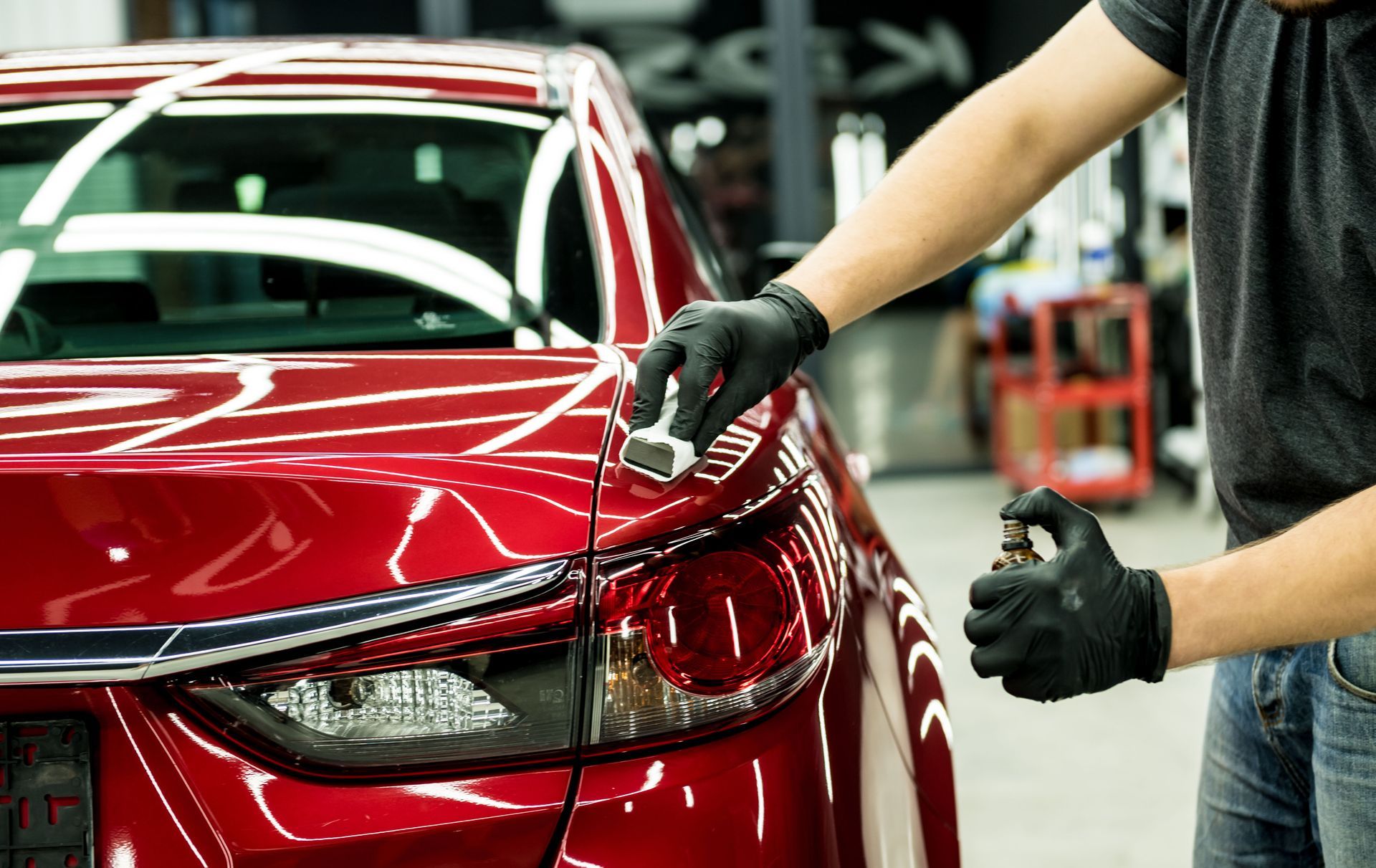
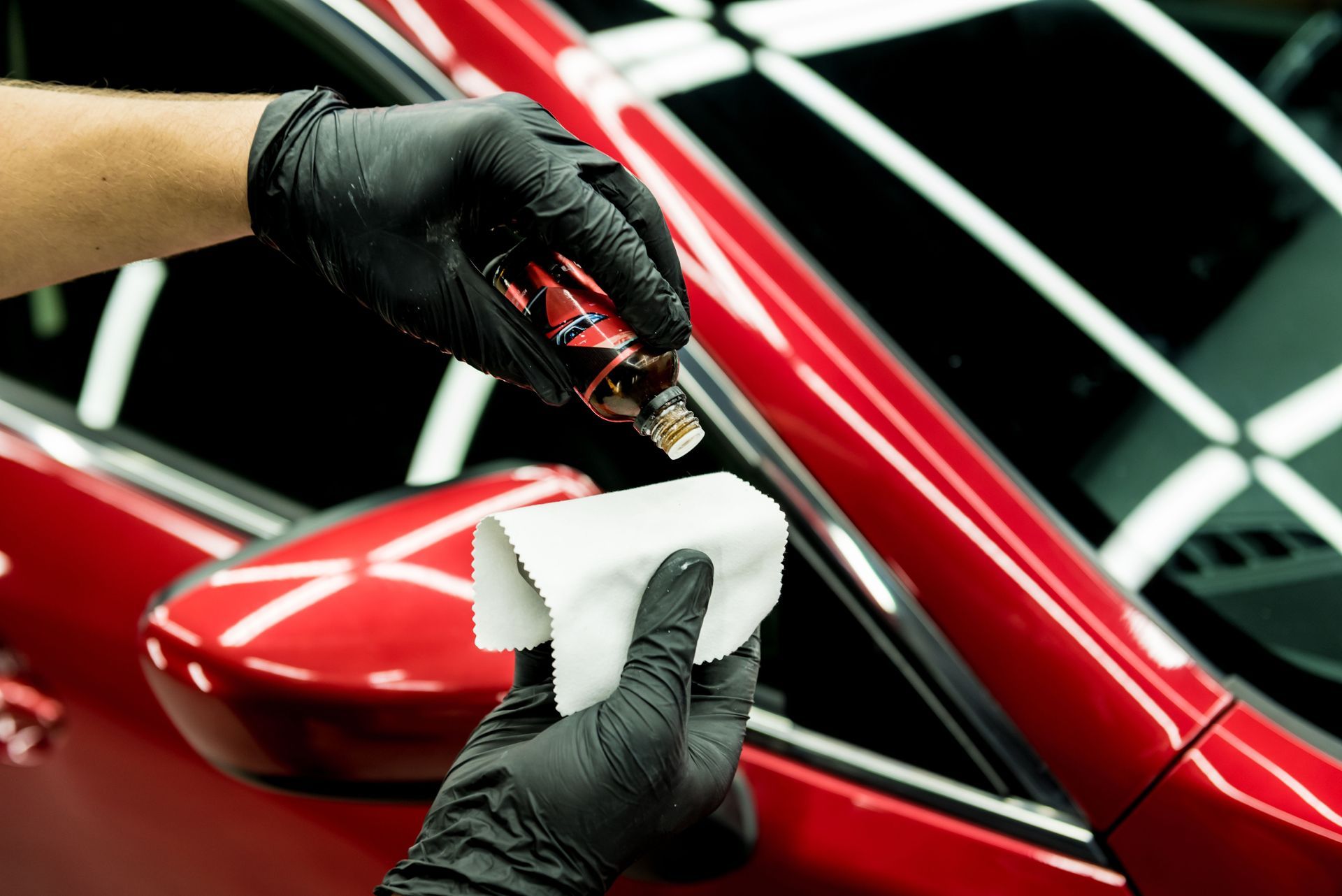
Ceramic coatings are a liquid polymer applied to the exterior surfaces of vehicles, primarily for protection. They are composed of silicon dioxide (SiO2), typically sourced from quartz and sand, which forms a chemical bond with paint and creates a hydrophobic surface. When applied, this liquid polymer creates a permanent or semi-permanent bond with the vehicle’s paint, resulting in a protective, water-repellent layer. The chemical composition allows for a variety of beneficial properties, including enhanced UV and scratch resistance. This unique bonding process differentiates ceramic coatings from traditional waxes or sealants, offering a more robust and longer-lasting layer of defense.
The composition of ceramic coatings can sometimes include titanium dioxide (TiO2) as a hardening agent, enhancing the hardness and glossiness of the finish. By creating a semi-permanent layer, ceramic coatings aim to provide a long-lasting shield that preserves the integrity of the vehicle's paint. This protective layer is incredibly thin yet offers remarkable resilience against numerous environmental and physical threats. Ceramic coatings are typically formulated to be clear, allowing the original paint color and finish to shine through with added gloss. This clarity ensures that the aesthetic qualities of the vehicle are not compromised during application.
It's essential to note that not all ceramic coatings are created equal—variations in quality and chemical composition mean that effectiveness can differ significantly from product to product. Selecting the right kind of ceramic coating for your vehicle involves understanding its specific chemical makeup and the level of protection it can provide. Higher-quality coatings often provide additional benefits, including greater durability and enhanced aesthetic appeal. Deciding on the correct kind of coating involves considering factors such as environmental conditions and personal maintenance capabilities. In a market replete with options, informed decision-making requires thorough research and understanding of ceramic coating compositions.
History and Development
The genesis of auto ceramic coatings can be traced back to the aerospace industry, where the demand for durable, heat-resistant protective layers prompted initial developments. Over time, this technology found its way into automotive applications, with initial offerings hitting the market in the early 2000s. As car enthusiasts and industry professionals began recognizing their potential, the popularity of ceramic coatings grew swiftly. Today, it is a common offering in the auto detailing industry, where, according to IBISWorld, over 60,000 businesses strive to provide quality service and affordability—factors that ceramic coatings cater to exceptionally well. The development trajectory has seen coatings evolve from basic protection to sophisticated solutions with enhanced performance characteristics.
The rapid improvement in ceramic coating technology owes a great deal to the competitiveness of the automotive industry, which is constantly seeking innovative solutions to traditional problems. Investment in research and development by manufacturers has driven improvements in the formulations and application methods, leading to products that are more accessible to a broad consumer base. Market trends show an increasing demand for sustainability, which ceramic coatings support by reducing the need for frequent washing and waxing, thereby conserving resources. As such, manufacturers have continuously improved the coatings to be safer for both consumers and the environment. Consequently, auto ceramic coatings are now seen not just as a luxury but as a smart investment in vehicle longevity and beauty.
Innovation within the industry has also led to a diversification of ceramic products, including variants specialized for different regions and climates. Manufacturers are creating coatings tailored to resist the exact challenges posed by specific environments, whether that be heavy UV exposure or frequent rain. This adaptability has facilitated an even broader adoption across diverse geographic and economic settings. The drive to outpace competitors has inspired advancements in the ease of application and the endurance of these coatings. As the demand continues to grow, it's expected that further technological advancements will make these sophisticated products an even more integral part of car care routines.
Different Types of Ceramic Coatings
As automobile enthusiasts and everyday car owners seek to protect their investments, it is imperative to understand the different types of ceramic coatings available. There are consumer-grade products designed for do-it-yourself enthusiasts, which can be applied at home with relative ease. These tend to offer moderate protection and typically last between one to two years. Professional-grade auto ceramic coatings, applied by experts in the field, offer superior protection and longevity, often remaining effective for five years or more. The choice between these options largely depends on one's budget, willingness to maintain the coating, and the desired level of protection.
In recent years, the market has been introduced to advanced formulations like \"9H\" hard coatings, where \"9H\" denotes a high degree of hardness based on the pencil hardness scale. These coatings, often boasting higher SiO2 content, are designed to provide the maximum level of abrasion resistance available in current automotive technology. Such products typically form a glass-like finish, enhancing paint stability and visual depth. For buyers looking for maximum protection without compromise, these coatings are particularly attractive. However, they necessitate professional application to ensure that the durability standards are properly met.
Beyond types specifically focused on hardness, specialized auto ceramic coatings have been formulated to tackle different issues, such as heat resistance, gloss maximization, or even coating in conjunction with paint protection films. Product variety extends to coatings offering color enhancement qualities, tailored to sophisticated finishes like matte or metallic paints, which are often more difficult to maintain. With such an array of choices, it is crucial for consumers to identify their primary objectives, allowing them to select a product best suited to their lifestyle, environment, and particular aesthetic preferences.
Auto ceramic coatings have emerged as a transformative solution in modern vehicle care, combining advanced chemical engineering with practical, long-term benefits. By forming a durable, hydrophobic bond with automotive paint, these coatings provide superior protection against environmental damage while significantly enhancing visual appeal. Their evolution from aerospace technology to a widely adopted automotive application underscores their effectiveness and growing relevance in an increasingly competitive detailing industry.
As the variety and sophistication of ceramic coatings continue to expand, vehicle owners are empowered with more options than ever to preserve and elevate their cars’ appearance. Whether choosing a consumer-grade product or investing in a professional-grade application, understanding the composition, history, and types of ceramic coatings allows for informed decision-making. Ultimately, ceramic coatings represent more than a cosmetic upgrade—they are a strategic investment in longevity, sustainability, and the enduring beauty of a vehicle’s finish, offering peace of mind, reduced maintenance demands, and lasting value for discerning owners. Contact the professionals at Next Level Auto Aesthetics for all your detailing needs.